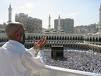
(Women inside Mosque)
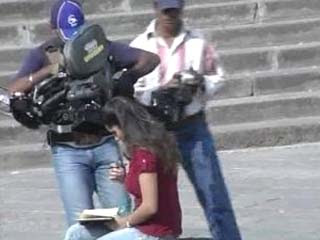 It seems controversy accompanies Sania Mirza whether she is on court or off it. She was rebuked by Muslim scholars and many others for shooting in the premises of the Mecca Masjid near Charminar, in Hyderabad on 11th December. Whether she was shooting for a commercial or was just out to spread heritage awareness of the monuments is still unclear. She tendered an apology to everyone, the very next day, after it snowballed into turmoil. However what caught my attention was one of her statements, in which she said, “I am fully aware that a woman must not enter the sanctity of the mosque”. This statement must have let those chatterbox tongues wagging again, who posses, but little knowledge about Islam and the teachings of the Holy Qur’an and The Prophet. What I wish to bring forth for Sania Mirza in general and all those who think on the same lines in particular, is that, there is no such decree proclaimed in Holy Qur’an or the teachings of Islam which prohibits women from entering the sanctity of the mosque. Though I am unaware whether shooting a commercial is allowed or not.
During the time prior to the advent of Islam, the world as a whole and the Arabian peninsula in particular, the prosecution and subdue of women was widespread. It was the advent of Islam that brought women at par with men, allowing them equality in terms of status, respect, education and share in ancestral property. They were given right to have a say in public meetings and while taking financial or social decisions for the family or individual. As far as entering a mosque is concerned, women were not only allowed but the Prophet gave them permission to pray Namaz in congregation with the men folk (although in a separate enclosure).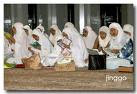 The Namaz was performed with men behind the Imaam, followed by children and women either at the end or an adjoining area, segregated from the main congregation with curtain or wooden partition. The same however is not true in case of the major mosques of Masjid Al-Haram (The Holy Kaba in Mecca) or Masjid-e-Nabvi in Madina, Saudi Arabia, where men and women pray alongside without any bias or distinction on the basis of gender, at the time of Hajj. Infact Masjid-e-Aaesha in Madina is especially dedicated to women for offering Namaz, where even the Imam is a female leading the women congregation. During the Hajj pilgrimage millions of men and women from every part of the world pray Namaz and perform Tawaaf (circumnavigation of the Kaba) , Sai and many other rituals side by side. Many of my relatives who reside in cities of US, Canada, UK and other parts of the world, proclaim that there is no distinction as such for not allowing women in the mosque and instead they have special arrangements for allowing women to pray in congregation behind a common Imaam. Why then is the case that there are restrictions in India, Pakistan, Bangladesh and other countries around Indian peninsula?
 The women used to pray regularly in mosque during the time of Prophet Muhammad (SAW). Some people attribute the later Caliphate or rulers of Arabian kingdom, especially Hazrat Umar, for passing a law disallowing women an entry in the mosque. The same however is partially true. It was during the era when the newly built Arab kingdom was increasing its influence and was also facing threat from the neighboring tribes and Roman invaders, who resisted their growing power resulting in constant conflicts on the borders of the kingdom. It was for the safety of women and children that they were asked to pray within the confines of their houses, while the men would pray in mosques. This would not only ensure safety of women but also have them to guard the children, ailing elders, houses and properties.
There is also a misconception which says that it is the Hanafi school of thought which disallows Muslim women to pray in mosques. I belong to the Hanafi sect, which is followed by more than 90% Sunni Muslims in the Indian subcontinent, but have never come across such a thought or edict in the Hanafi School. Rather it was the influence of the social and environmental factors surrounding the early Muslim settlers or the newly converts which mutated the thinking and adaptation of the Muslims in India. The effect was also due the culture of myriad religions and sects prevalent during the medieval India which influenced the social norms from what was being practiced in the Middle Eastern civilization during that era. The prohibition of women to pray in mosques most likely arose from this, when purda system and a patriarchal society was the norm in India and women did not enjoy as much freedom as men. In fact such was the state of women not only in India but other civilizations across the world at a time which has been described by historians as ‘The Dark Ages’. Islam in those times came as a soothing influence on the evils of the social system in largely semi-barbaric tribes of Arabian Peninsula, providing equality for women, emphasis on education and dignity in culture and social factors which drew the masses towards accepting the invitation of Islam from Prophet Muhammad (SAW) resulting in a rapid advent of Islam in far and near civilizations.
 The social or rather unsocial persecution of women regarding their freedom and rights to equality continued for a long time in many parts of the world, with women activists having to come on streets of England in 1920’s to get voting rights, the US still awaiting its first woman president and gender bias still conspicuous in Eastern European countries. Though the Western World and other developing nations have evolved out of this, we in south Asia still adhere to some of our ancestral social practices. Who would deny that just 50 years back untouchability and casteism was widespread in India and still is in some of the remotest places of the country. Denial of women to pray inside mosques hence is, but a social stigma. Although it is not compulsory for women to pray in mosques, unlike men who have to compulsorily pray in congregation in mosques if it is within considerable walking distance from their abode. For men praying in a mosque is more than 27 times rewarding than praying in house. For women however, they get that benefit even if they pray at home. Even in India famous mosques and shrines like the Khwaja Garib Nawaz in Ajmer, Hazratbal in Srinagar, Fatehpur Sikri in Agra, to name a few have special arrangements for women to pray in the mosques behind a single Imam. The same is also true in scores of mosques and Idgah’s for the special Namaz’s like Juma (Friday prayer), and on the occasion of two Eid’s when temporary arrangements are made to facilitate women praying Namaz.
Qur’an however advocates both men and women to be decently dressed and maintain the sanctity of the mosque which is regarded as the house of Allah. It even discourages people to engage in personal talks while in mosques. How justified is a jeans and tight T-shirt clad Sania Mirza entering the premises of Mecca Masjid for shooting a commercial is best left for imagination.
It seems controversy accompanies Sania Mirza whether she is on court or off it. She was rebuked by Muslim scholars and many others for shooting in the premises of the Mecca Masjid near Charminar, in Hyderabad on 11th December. Whether she was shooting for a commercial or was just out to spread heritage awareness of the monuments is still unclear. She tendered an apology to everyone, the very next day, after it snowballed into turmoil. However what caught my attention was one of her statements, in which she said, “I am fully aware that a woman must not enter the sanctity of the mosque”. This statement must have let those chatterbox tongues wagging again, who posses, but little knowledge about Islam and the teachings of the Holy Qur’an and The Prophet. What I wish to bring forth for Sania Mirza in general and all those who think on the same lines in particular, is that, there is no such decree proclaimed in Holy Qur’an or the teachings of Islam which prohibits women from entering the sanctity of the mosque. Though I am unaware whether shooting a commercial is allowed or not.During the time prior to the advent of Islam, the world as a whole and the Arabian peninsula in particular, the prosecution and subdue of women was widespread. It was the advent of Islam that brought women at par with men, allowing them equality in terms of status, respect, education and share in ancestral property. They were given right to have a say in public meetings and while taking financial or social decisions for the family or individual. As far as entering a mosque is concerned, women were not only allowed but the Prophet gave them permission to pray Namaz in congregation with the men folk (although in a separate enclosure).
The Namaz was performed with men behind the Imaam, followed by children and women either at the end or an adjoining area, segregated from the main congregation with curtain or wooden partition. The same however is not true in case of the major mosques of Masjid Al-Haram (The Holy Kaba in Mecca) or Masjid-e-Nabvi in Madina, Saudi Arabia, where men and women pray alongside without any bias or distinction on the basis of gender, at the time of Hajj. Infact Masjid-e-Aaesha in Madina is especially dedicated to women for offering Namaz, where even the Imam is a female leading the women congregation. During the Hajj pilgrimage millions of men and women from every part of the world pray Namaz and perform Tawaaf (circumnavigation of the Kaba) , Sai and many other rituals side by side. Many of my relatives who reside in cities of US, Canada, UK and other parts of the world, proclaim that there is no distinction as such for not allowing women in the mosque and instead they have special arrangements for allowing women to pray in congregation behind a common Imaam. Why then is the case that there are restrictions in India, Pakistan, Bangladesh and other countries around Indian peninsula?The women used to pray regularly in mosque during the time of Prophet Muhammad (SAW). Some people attribute the later Caliphate or rulers of Arabian kingdom, especially Hazrat Umar, for passing a law disallowing women an entry in the mosque. The same however is partially true. It was during the era when the newly built Arab kingdom was increasing its influence and was also facing threat from the neighboring tribes and Roman invaders, who resisted their growing power resulting in constant conflicts on the borders of the kingdom. It was for the safety of women and children that they were asked to pray within the confines of their houses, while the men would pray in mosques. This would not only ensure safety of women but also have them to guard the children, ailing elders, houses and properties.There is also a misconception which says that it is the Hanafi school of thought which disallows Muslim women to pray in mosques. I belong to the Hanafi sect, which is followed by more than 90% Sunni Muslims in the Indian subcontinent, but have never come across such a thought or edict in the Hanafi School. Rather it was the influence of the social and environmental factors surrounding the early Muslim settlers or the newly converts which mutated the thinking and adaptation of the Muslims in India. The effect was also due the culture of myriad religions and sects prevalent during the medieval India which influenced the social norms from what was being practiced in the Middle Eastern civilization during that era. The prohibition of women to pray in mosques most likely arose from this, when purda system and a patriarchal society was the norm in India and women did not enjoy as much freedom as men. In fact such was the state of women not only in India but other civilizations across the world at a time which has been described by historians as ‘The Dark Ages’. Islam in those times came as a soothing influence on the evils of the social system in largely semi-barbaric tribes of Arabian Peninsula, providing equality for women, emphasis on education and dignity in culture and social factors which drew the masses towards accepting the invitation of Islam from Prophet Muhammad (SAW) resulting in a rapid advent of Islam in far and near civilizations.
The social or rather unsocial persecution of women regarding their freedom and rights to equality continued for a long time in many parts of the world, with women activists having to come on streets of England in 1920’s to get voting rights, the US still awaiting its first woman president and gender bias still conspicuous in Eastern European countries. Though the Western World and other developing nations have evolved out of this, we in south Asia still adhere to some of our ancestral social practices. Who would deny that just 50 years back untouchability and casteism was widespread in India and still is in some of the remotest places of the country. Denial of women to pray inside mosques hence is, but a social stigma. Although it is not compulsory for women to pray in mosques, unlike men who have to compulsorily pray in congregation in mosques if it is within considerable walking distance from their abode. For men praying in a mosque is more than 27 times rewarding than praying in house. For women however, they get that benefit even if they pray at home. Even in India famous mosques and shrines like the Khwaja Garib Nawaz in Ajmer, Hazratbal in Srinagar, Fatehpur Sikri in Agra, to name a few have special arrangements for women to pray in the mosques behind a single Imam. The same is also true in scores of mosques and Idgah’s for the special Namaz’s like Juma (Friday prayer), and on the occasion of two Eid’s when temporary arrangements are made to facilitate women praying Namaz.Qur’an however advocates both men and women to be decently dressed and maintain the sanctity of the mosque which is regarded as the house of Allah. It even discourages people to engage in personal talks while in mosques. How justified is a jeans and tight T-shirt clad Sania Mirza entering the premises of Mecca Masjid for shooting a commercial is best left for imagination.









 Posts
Posts

